UPI Strengthens Waste Management Through 3R Principles and Environmental Monitoring
15 October 2025
Bandung, UPI - (2025) Universitas Pendidikan Indonesia (UPI) strengthens waste governance through Rector Regulation of Universitas Pendidikan Indonesia Number 33 of 2025 concerning Green Campus Manage
Bandung, UPI - (2025) Universitas Pendidikan Indonesia (UPI) strengthens waste governance through Rector Regulation of Universitas Pendidikan Indonesia Number 33 of 2025 concerning Green Campus Management. The regulation provides a framework for campus environmental management, including waste reduction, segregation, recycling, composting, and responsible disposal. By incorporating waste management into its green campus policy, UPI promotes more planned operational practices that take responsible resource use into account.
Articles 1 and 2, as referenced in the indicator comment, provide the basis for applying the reduce, reuse, recycle (3R) principles to waste management. Reduce focuses on preventing waste generation, reuse encourages the continued use of items or materials that remain suitable, and recycle supports processing materials for further use. Together, these principles place waste prevention and recovery within the management process before waste is sent to final disposal facilities.
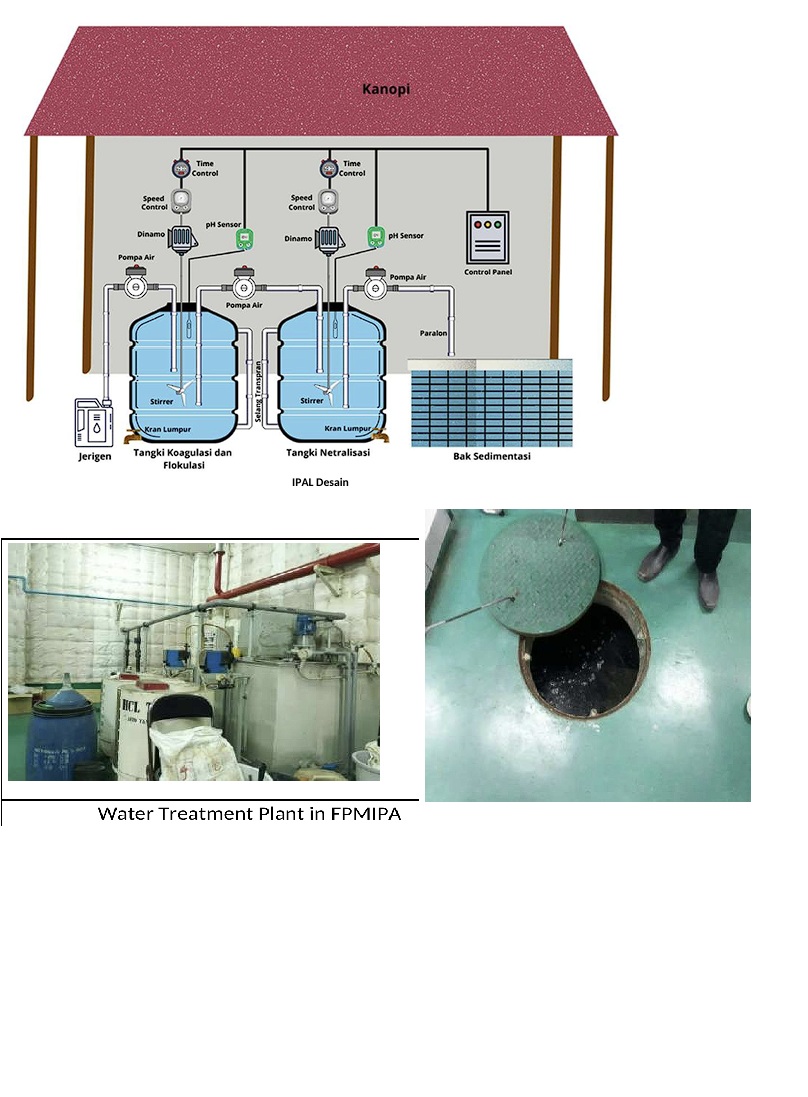
The policy also covers integrated waste and wastewater management. This integrated approach connects waste reduction, segregation, recovery, and residual waste handling within the campus environmental management framework. Recycling and composting can help divert recoverable materials from final disposal, while responsible disposal remains necessary for residual waste that cannot be reused or recovered.
The indicator comment also refers to Article 8, which establishes monitoring and evaluation mechanisms through environmental assessments and performance indicators, including waste management measurement. These mechanisms are relevant for reviewing programme implementation and identifying areas for improvement. To measure waste management performance in practice, data on the amounts generated, recycled or composted, and sent to final disposal facilities need to be recorded and evaluated consistently.
Measuring the amounts recycled and sent to final disposal can help UPI assess progress in waste reduction and material recovery. Documented data can also inform improvement priorities, strengthen segregation, and enhance recycling programmes. The regulation provides a policy and monitoring framework, while actual performance figures need to be supported by recorded measurement results. This approach aligns with SDG 12 on Responsible Consumption and Production, particularly sustainable resource management and waste reduction.