UPI CONTRIBUTES TO NATIONAL EDUCATION POLICY DEVELOPMENT THROUGH PARTNERSHIP
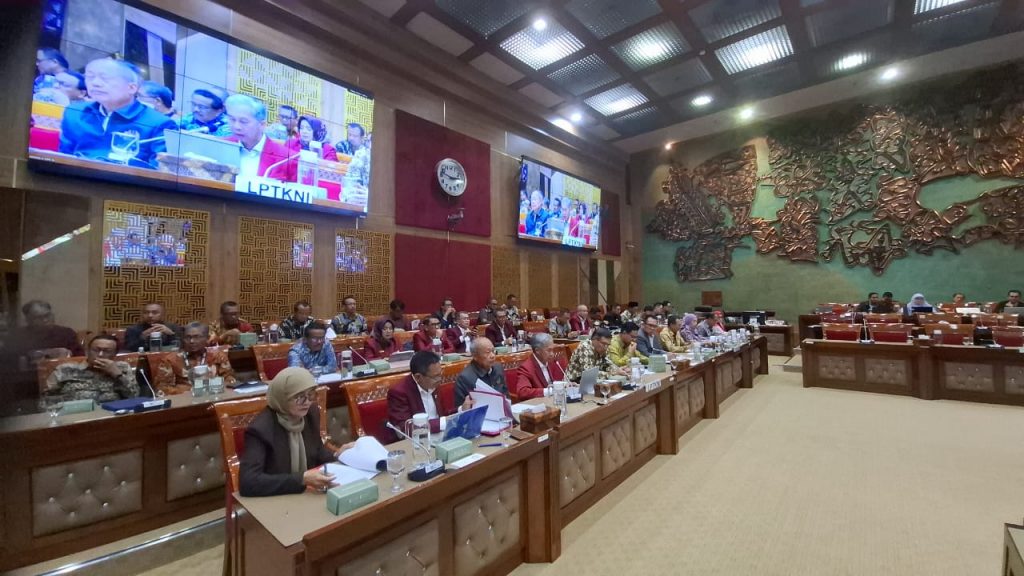
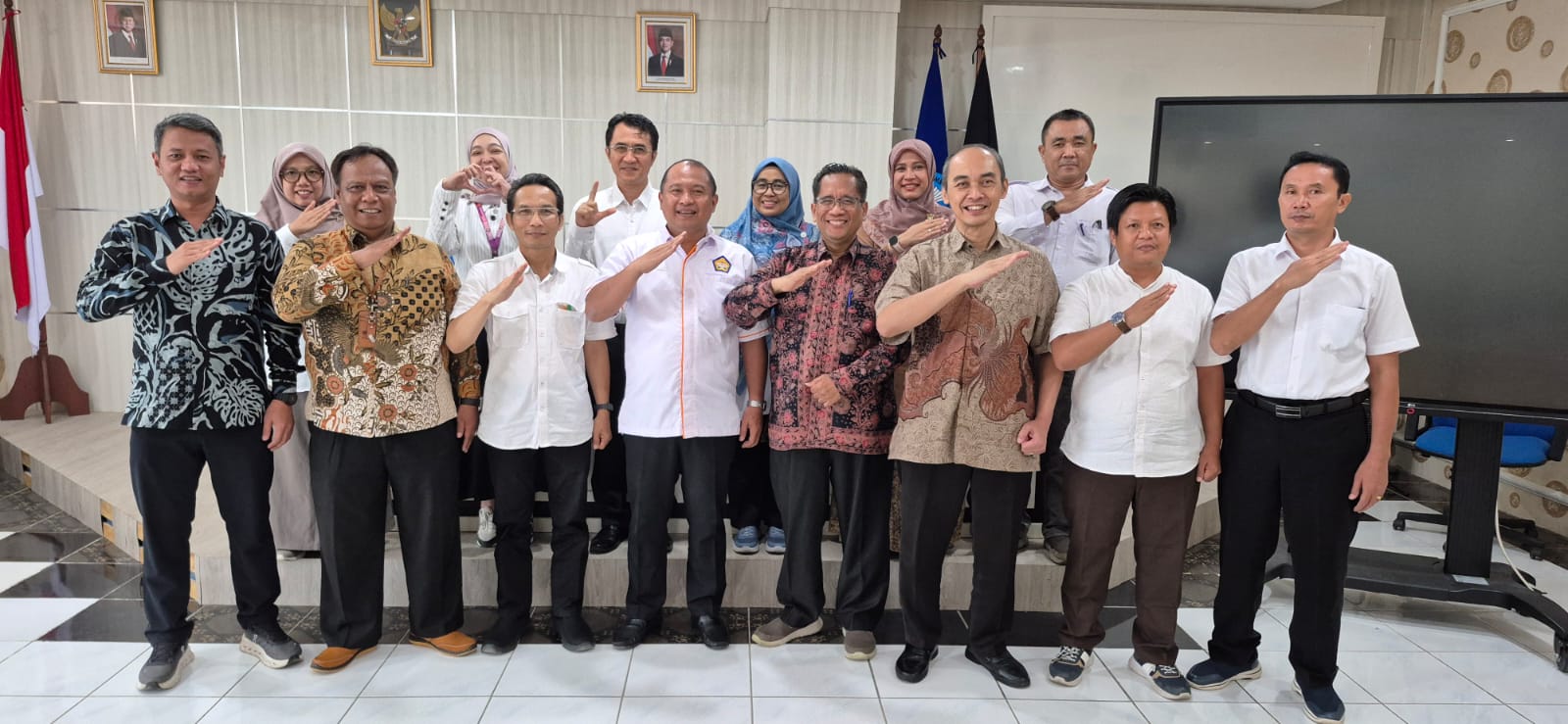
Bandung, UPI - (2025) provided input on the Draft Law on the National Education System (RUU Sisdiknas) during a hearing meeting (Rapat Dengar Pendapat, RDP) with Commission X of the House of Representatives of the Republic of Indonesia (DPR RI). This engagement represents a direct link between a higher education institution and a government body in discussing challenges and policy directions for national education.
UPI's strategic input addressed integrated teacher professional education, equitable education financing, higher education governance, and the protection and welfare of educators. These issues relate to strengthening the education system, supporting education personnel, and governance arrangements that underpin education delivery.
UPI's participation in the hearing demonstrates academic input at the policy-discussion stage. Through formal dialogue with Commission X DPR RI, a university perspective was presented to lawmakers and became part of the exchange of views on proposed education legislation.
The engagement aligns with the spirit of the Sustainable Development Goals, particularly SDG 17 on Partnerships for the Goals, by demonstrating institutional interaction between academia and a government body. It also creates an opportunity for education-related knowledge and experience to be considered in public policy formulation.
Input on teacher professional education, financing, higher education governance, and educator welfare highlighted several important challenges for policy development. By presenting input through an official forum, UPI contributed to discussion of national-level policy strategies and options.
The source supports UPI's participation in national policy dialogue with Commission X DPR RI. However, it does not fully demonstrate engagement with regional non-governmental organisations, policy implementation following deliberation, monitoring and reporting of interventions, or adaptive management. Joint research outputs, evidence of policy follow-up, or monitoring reports would strengthen documentation of the full policy cycle.