UPI STRENGTHENS ENVIRONMENTAL LITERACY THROUGH COMMUNITY CURRICULUM SUPPORT
3 February 2025
SDG Evidence Links
Upi strengthens environmental literacy through community curriculum support
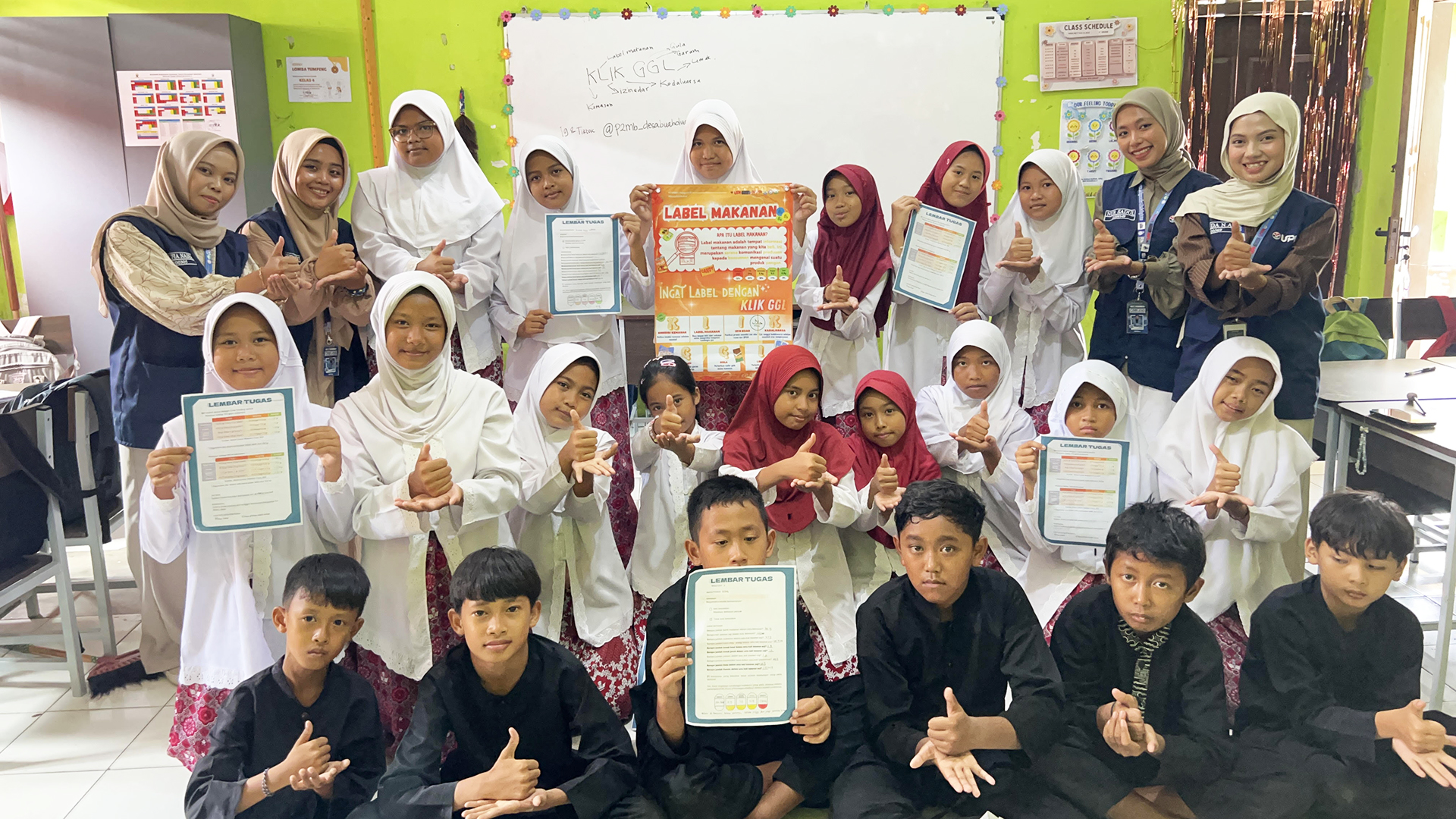
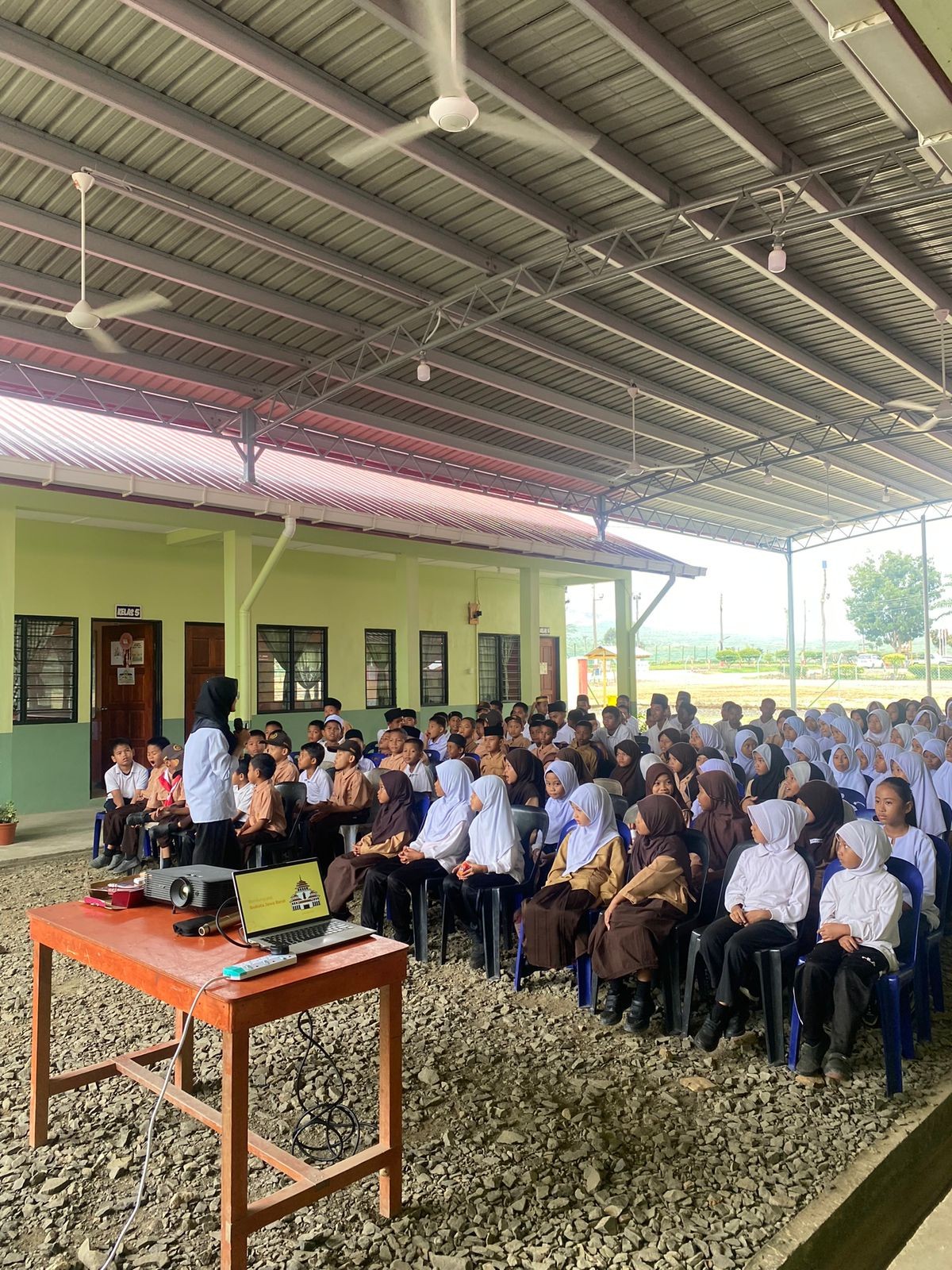
Bandung, UPI - (2025) Universitas Pendidikan Indonesia (UPI) contributes to strengthening environmental literacy through community engagement that supports the development of an environmental-literacy-based curriculum. This initiative connects the university’s academic role with community education needs and creates opportunities for educators to integrate environmental understanding into learning. Through this form of mentoring, environmental knowledge can be presented in a more structured way and connected to students’ everyday experiences.
Curriculum development support is one way to strengthen teachers’ capacity to design relevant learning experiences. A curriculum that incorporates environmental literacy can provide space to explore the relationship between people and nature, responsible resource use, and the importance of protecting the environment. With academic support, teachers can develop learning activities that help students understand environmental issues as part of daily life and shared responsibility.
Environmental-literacy programmes can also provide an entry point for learning about ecosystems, including wild flora and fauna, relationships among organisms, and the importance of healthy habitats. Content can be adapted to local settings so students can explore biodiversity through examples that are familiar to them. Contextual learning helps students connect classroom concepts with the environment around their homes and schools.
By supporting educators, the benefits of a programme can extend beyond those who participate directly. Teachers can apply the materials and approaches they gain to their own classes, allowing environmental literacy to be revisited through regular learning activities. Strengthening educators’ capacity can also create opportunities to develop teaching resources, environmental observation activities, and simple projects that encourage students to recognise and value nature.
Effective ecosystem education does more than provide information; it can also encourage care and responsible action. An environmental-literacy-based curriculum can support discussion, observation, and reflection on environmental conditions, conservation, and responsible resource use. To help establish long-term value, learning activities can be strengthened through curriculum review, activity documentation, and monitoring of how educators apply the curriculum.
Through this community engagement initiative, UPI demonstrates the role of higher education in supporting learning that considers environmental sustainability. Mentoring on an environmental-literacy-based curriculum provides a foundation for expanding ecosystem awareness in educational communities. Materials that explicitly address local flora and fauna, combined with ongoing learning activities and evaluation, can further strengthen the programme’s contribution to conservation education and biodiversity awareness.