UPI STRENGTHENS CAMPUS WASTE TRACKING THROUGH MEASUREMENT OF WASTE GENERATION AND TREATMENT
Upi strengthens campus waste tracking through measurement of waste generation and treatment
Bandung, UPI - (2025) Universitas Pendidikan Indonesia (UPI) conducts quantitative measurement of waste generation and treatment through records submitted in the UI GreenMetric questionnaire. The data cover inorganic waste, organic waste, and hazardous laboratory waste, providing measurable information on the volumes generated and the portions managed through reduction, recycling, composting, and other treatment activities.
For inorganic waste, UPI recorded 500 tons generated in the reporting year, consisting of 201 tons of plastic, 191 tons of paper, and 108 tons of miscellaneous materials. Compared with the previous year, total inorganic waste decreased from 550 tons to 500 tons. The records also show reductions of 46.5 tons in plastic waste, 1.5 tons in paper, and 2 tons in miscellaneous waste. Source separation, water stations across campus, an IT-supported paperless system, and collection of sorted paper by a third party are described as measures supporting waste reduction.
The monitoring records also quantify the amount of inorganic waste treated. Of the 500 tons generated, 383.6 tons were recorded as processed, equivalent to 77.6% of the total in 2025. This proportion increased from 72.1% in 2024. The category-level figures show 156.78 tons of plastic, 156.62 tons of paper, and 70.2 tons of other inorganic waste processed. The evidence also identifies the conversion of packaging into eco-bricks as a measure that helps reduce residual waste sent to landfill.
UPI also records organic waste generation, which amounted to 1,548 tons, including 1,250 tons of food waste and 298 tons of leaves and similar materials. The evidence records 898 tons under down-cycling and 30 tons under up-cycling; overall, approximately 59.95% of organic waste was reported as treated. All leaf waste is described as no longer being sent to landfill, instead being used as brown material for composting or processed through incineration. Food waste is managed through composting, maggot cultivation, and eco-enzyme production.
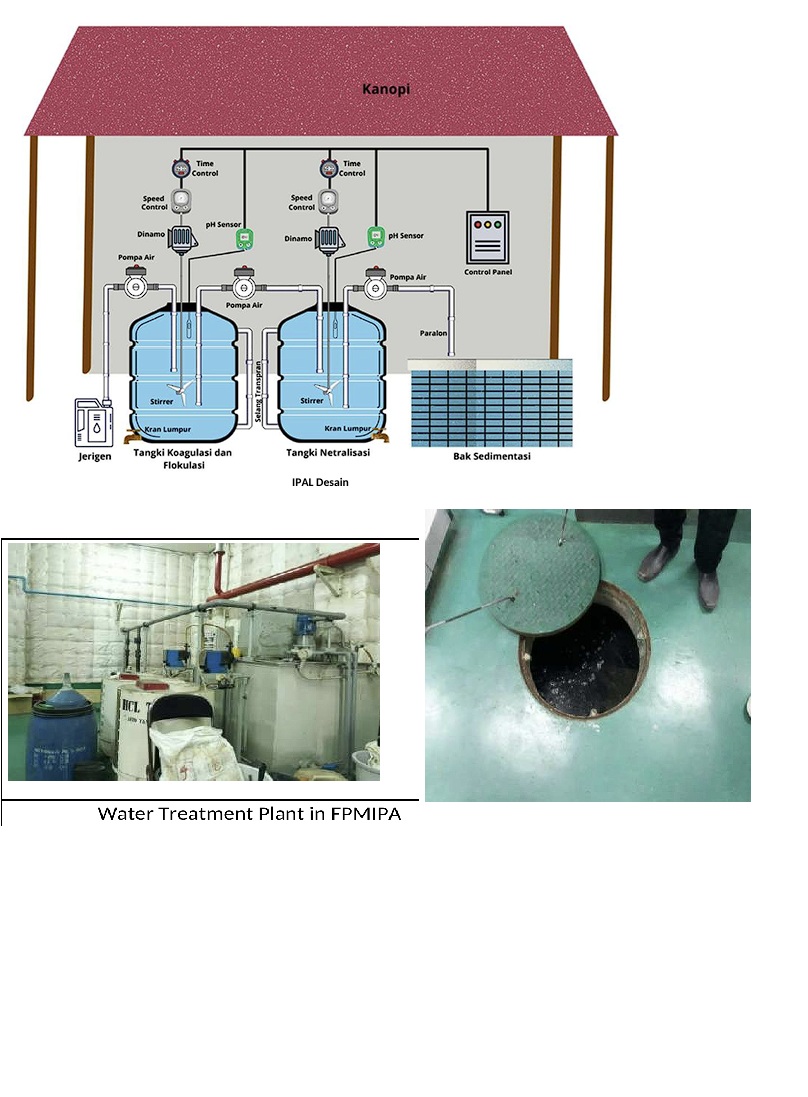
Measurement also covers hazardous laboratory waste. The evidence records 0.44 tons of toxic waste in the reporting year, a decrease of 0.01 tons from 0.45 tons in the previous year. Approximately 0.3916 tons, or about 89%, were recorded as treated internally before being confirmed safe for disposal. By documenting generated and treated volumes across several waste categories, UPI establishes a quantitative basis for university-level waste tracking and for reviewing waste reduction and recycling efforts over time.