UPI AND UPSI DEVELOP GOOD PRACTICES IN GREEN CURRICULUM THROUGH INTERNATIONAL COLLABORATIVE RESEARCH
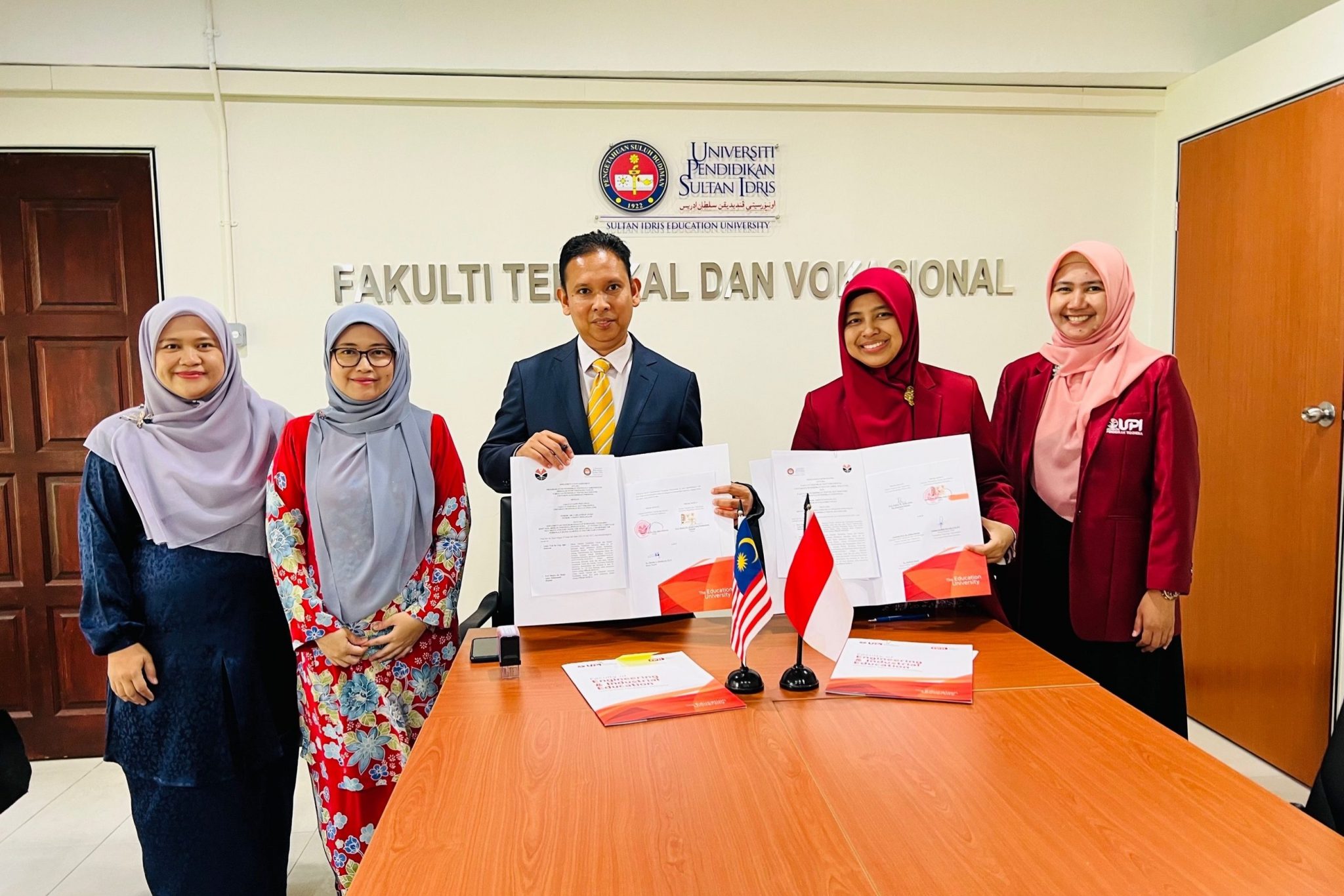
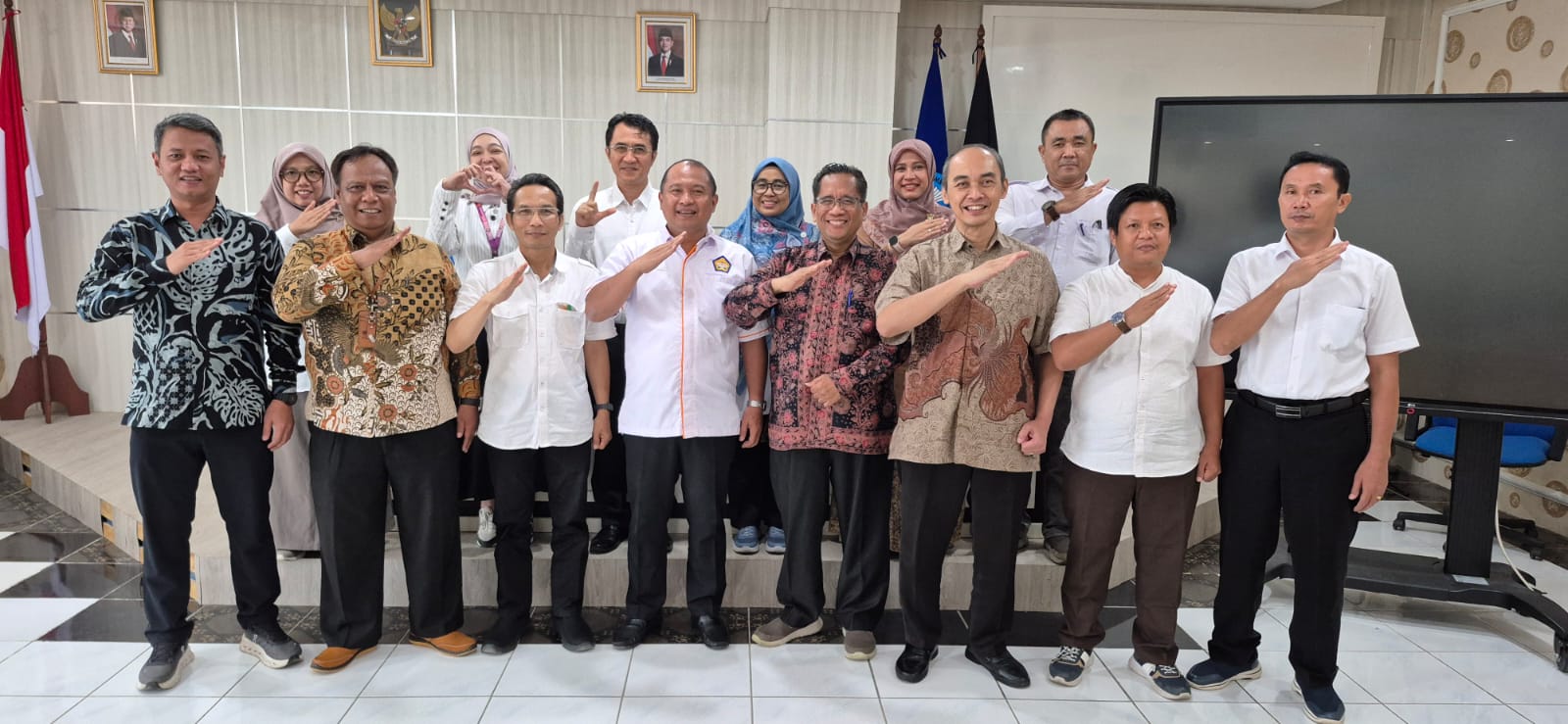
Bandung, UPI - (2025) Universitas Pendidikan Indonesia (UPI) and Universiti Pendidikan Sultan Idris (UPSI), Malaysia, are collaborating on international research to develop a green curriculum model for prospective vocational teachers in both countries. On 30 June 2025, a UPI research team visited UPSI for academic discussions on strengthening green skills and integrating sustainability principles into vocational education.
The research, titled "A Joint Green Curriculum Development Model to Improve Green Skills of Prospective Vocational Teacher Students in Indonesia and Malaysia: A Collaborative Study," is led by Dr. Mustika Nuramalia Handayani of the Agroindustrial Technology Education Study Programme, Faculty of Technical and Industrial Education (FPTI), UPI. The project is funded by UPI's Institute for Research and Community Service (LPPM) through its 2025 International Collaborative Research scheme.
An important activity in the collaboration was a focus group discussion (FGD) with academics from UPSI's Faculty of Technical and Vocational Education. The forum provided an opportunity to exchange knowledge and examine approaches to incorporating sustainability principles into vocational teacher education curricula, particularly in agriculture. This cross-country discussion enabled the researchers to compare academic perspectives and educational needs in the Indonesian and Malaysian contexts.
Green curriculum development is understood not merely as adding environmental content to lessons, but also as reflecting an educational institution's commitment to sustainable development. Through joint discussion, the research team seeks to formulate a curriculum model that strengthens green skills and helps prospective teachers integrate sustainability perspectives into vocational education practice.
Planned research outputs include a joint green curriculum model, a policy paper, and publications in reputable international scholarly outlets. These outputs could provide references for developing educational practices that other countries or institutions may consider and adapt to their own contexts. However, the source describes these as planned outputs; it does not state that the model and policy recommendations have already been completed or adopted internationally.
The UPI-UPSI partnership strengthens knowledge exchange and creates space for developing sustainability-oriented educational approaches that can be learned from across countries. The initiative contributes to SDG 4 on Quality Education, particularly education for sustainable development, and is relevant to SDG 13 through stronger sustainability competencies and perspectives. This international research partnership also supports SDG 17 by establishing a foundation for exchanging and developing good practices in vocational education.