UPI AND MUARA ENIM REGENCY GOVERNMENT COLLABORATE TO STRENGTHEN REGIONAL DEVELOPMENT PLANNING
16 January 2025

Upi and muara enim regency government collaborate to strengthen regional development planning
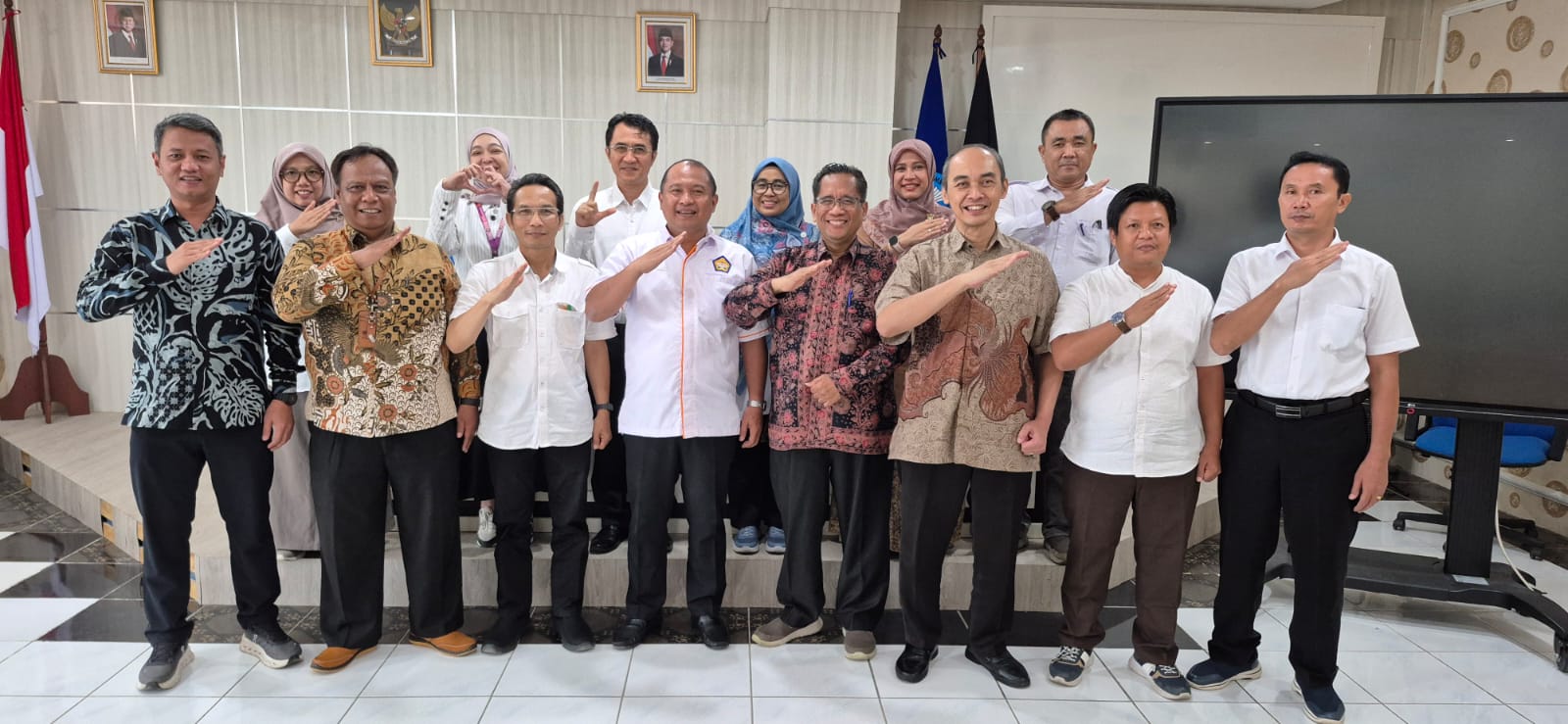
Bandung, UPI - (2025) The Faculty of Economics and Business Education (FPEB) at Universitas Pendidikan Indonesia (UPI) strengthened the university’s contribution to regional development through a collaboration with the Government of Muara Enim Regency, South Sumatra. On 21 February 2025, FPEB UPI signed a cooperation contract with the regency government to support the preparation of the Muara Enim Regional Medium-Term Development Plan (RPJMD) for 2025–2029. The collaboration brings academic expertise and local government planning needs together within a defined partnership.
The agreement was signed by FPEB UPI Dean Prof. Dr. Ratih Hurriyati, M.P., together with Arvian Triantoro, S.Pd., M.Si., Head of the Poverty, Economics Inclusion, Governance, and Sustainability (Pegasus Institute) study centre at FPEB UPI, and Drs. H. Emran Tabrani, M.Si., Head of the Muara Enim Regional Development Planning Agency (Bappeda). Bappeda’s participation places the local authority at the centre of identifying planning needs and priorities, while FPEB UPI contributes through relevant analysis, studies, and research findings.
The RPJMD is a five-year strategic document that guides a regional government in setting its vision, mission, objectives, strategies, policy directions, and development programmes. Its preparation therefore requires accountable information and analysis grounded in local circumstances. UPI reported that FPEB’s academic expertise and research can help Muara Enim Regency develop higher-quality plans that support regional progress and community welfare. The partnership illustrates how university knowledge can inform policy formulation and decision-making at the local level.
The relationship between FPEB UPI and the Muara Enim Regency Government extends beyond a single event. Official UPI information on the broader cooperation identifies previous studies and contributions, including a Regional Poverty Action Plan, evaluation of SDG achievements, a regional planning quality index, infrastructure-sector satisfaction research, and studies with other local government agencies. In 2025, the collaboration also supported preparation of the 2025–2029 RPJMD and the 2025–2029 Regional SDG Action Plan (RAD SDGs). This record demonstrates opportunities to connect academic knowledge with regional planning across social, economic, governance, and public-service issues.
Through this partnership, UPI serves as a knowledge partner to local government and creates pathways for research and analysis to be applied beyond the university. Evidence-informed planning can help public authorities define priorities, coordinate programmes, and direct resources towards community needs. While the collaboration supports regional planning and development more broadly, the available sources do not specifically mention policies to provide or improve residents’ access to affordable housing. Accordingly, this article focuses on the documented academic contribution to the preparation of Muara Enim’s regional development planning documents.