Mahasiswa UPI dan Kelompok Perempuan Desa Mekarmanik Kembangkan Produk Ramah Lingkungan Berbahan Pinus
7 October 2026
berita.upi.edu

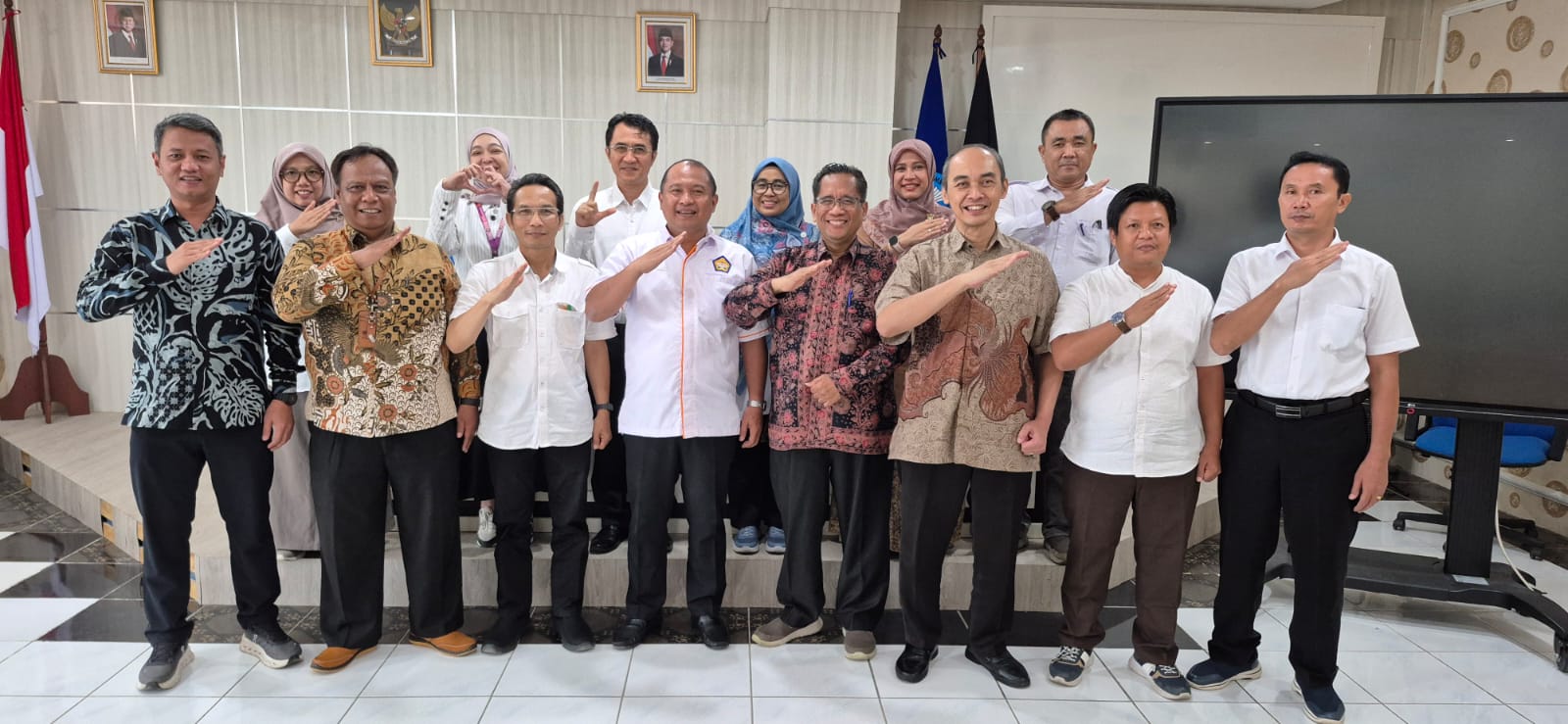
Bandung, UPI — Mahasiswa Universitas Pendidikan Indonesia (UPI) melalui Program Kreativitas Mahasiswa (PKM) menggandeng kelompok perempuan di Desa Mekarmanik, Kabupaten Bandung, untuk mengembangkan inovasi produk ramah lingkungan berbasis tanaman pinus. Kegiatan yang berlangsung sepanjang September
Bandung, UPI - (2025) In 2025, Universitas Pendidikan Indonesia (UPI) collaborated with a women’s group in Mekarmanik Village to develop environmentally friendly products made from pine materials.
The collaboration connects university knowledge and support with local resources and community skills. By developing pine-based products, the initiative introduces ways to turn natural materials into useful products while creating opportunities for community participation in economic activities that take environmental considerations into account.
The products developed include bio-briquettes, pine-leaf tea, and eco-enzyme. This range illustrates how locally available materials can be explored for different uses. Developing products from local resources can also provide a learning opportunity about using materials more efficiently and considering sustainability in production activities.
The involvement of the women’s group is an important part of the collaboration. Product development creates opportunities to exchange knowledge, build practical skills, and strengthen community participation in decisions about local resource use. Such partnerships also allow local groups to develop initiatives that respond to the needs and potential of their village.
Maintaining shared land ecosystems requires balancing resource use with environmental stewardship. A pine-based initiative can provide an entry point for discussing responsible material use, reducing organic residues, and sustaining forest resources. To remain consistent with conservation, material collection should consider resource availability and avoid damage to trees or habitats.
Collaboration between a university and community groups can also strengthen local capacity to manage environmentally oriented activities. Mentoring, practical training, and product evaluation can help improve production processes and understanding of safety and environmental effects. Recording material sources, product quantities, and benefits experienced by residents would help assess programme development more systematically.
Through its work with the women’s group in Mekarmanik Village, UPI demonstrates how higher education can connect with community empowerment and local resource use. The initiative offers an example of collaboration that may support more responsible land and resource management. Monitoring the sustainability of raw materials and local environmental conditions can help ensure that product development proceeds alongside care for terrestrial ecosystems.